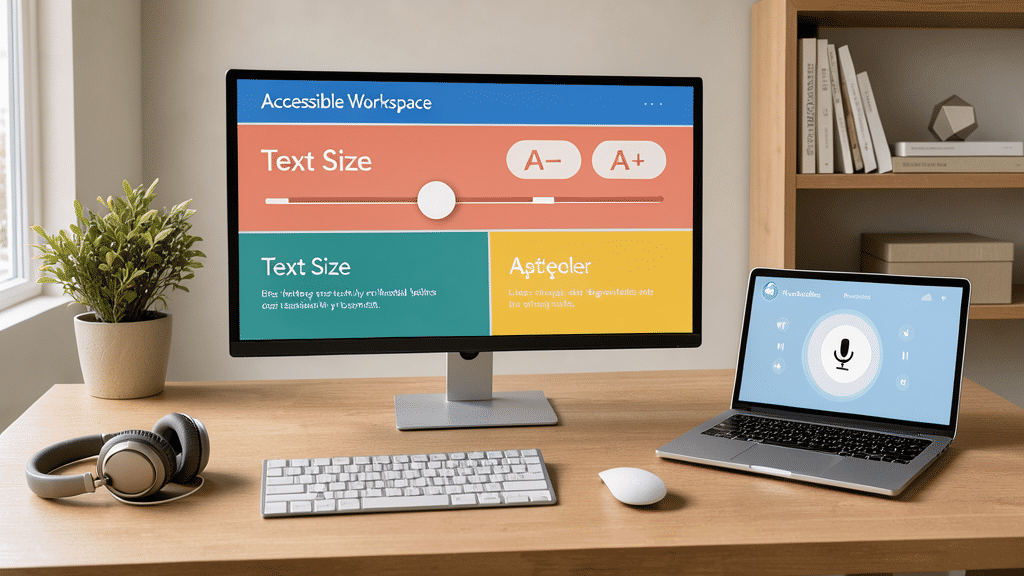
In today's digital landscape, ensuring an inclusive experience for every user is not only a moral obligation but also a legal requirement in many countries. By integrating accessibility principles into web designs, creators can break down barriers and enhance usability for individuals with diverse abilities. This commitment to inclusivity transforms digital spaces into environments where everyone can engage meaningfully.
Begin by understanding the core principles of accessibility, which aim to make content perceivable, operable, understandable, and robust. Content should be adaptable, using text descriptions for images and ensuring videos are accompanied by transcripts or captions. This practice extends the reach of information to those with visual or hearing impairments, enabling an inclusive experience.
Operability requires that all functionality be available from a keyboard, providing an alternative to mouse-based navigation. Special attention should be paid to ensuring that interactive elements like buttons, links, and forms can be easily navigated and understood when using assistive technologies.
Understandability focuses on presenting information in ways that users can comprehend, regardless of their cognitive abilities. This involves logical content organization, clear language, and intuitive interfaces. Designers should consider using simple language, consistent navigation patterns, and concise instructions to aid comprehension across diverse user bases.
Robustness involves ensuring that websites function correctly across different devices and assistive technologies. This includes adhering to established web standards and testing across multiple platforms to guarantee compatibility.
By embedding these principles into the design process from the outset, developers and designers can create more inclusive digital spaces. This approach not only benefits users with disabilities but also enhances the overall user experience, making it more intuitive and efficient for all.
Moreover, accessibility is an ongoing commitment. Regularly auditing and updating web content to align with evolving standards and user needs is crucial. By fostering an environment of continuous improvement, organizations can ensure they are always moving toward greater inclusivity.
In conclusion, embracing accessibility in web design is about valuing diversity and promoting equality in the digital realm. Through mindful design practices, creators can build engaging digital environments that welcome and empower every user, fostering a more inclusive and connected world.