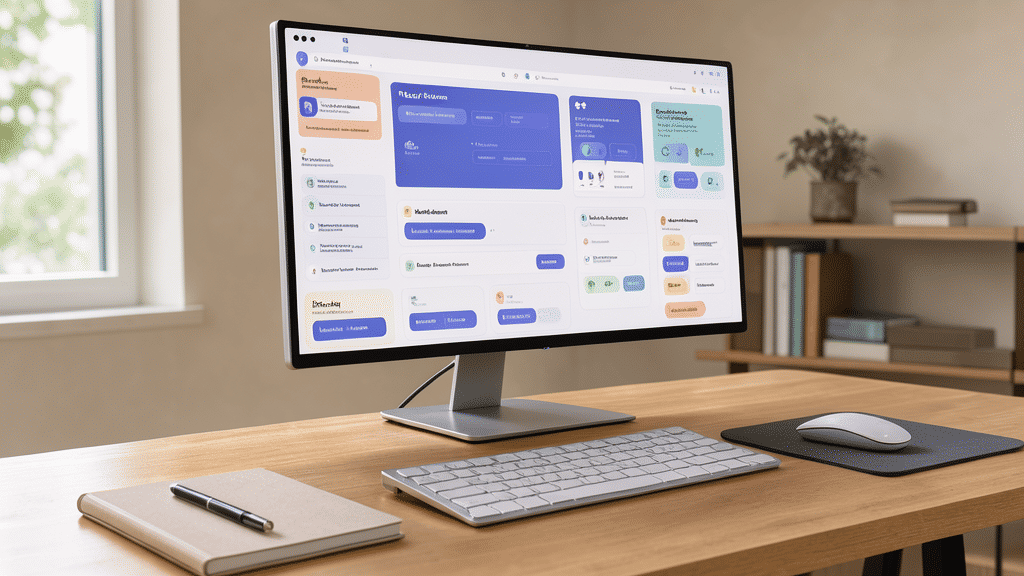
Creating an intuitive and engaging interface is essential for ensuring a seamless experience for users. When executed effectively, interface design can significantly enhance user satisfaction by making interactions easy and enjoyable. Here are key strategies to elevate the art of interface design.
Understand Your Users
The cornerstone of any successful interface design lies in understanding your users, their preferences, and their behavior. Conducting user research through surveys, interviews, and usability testing allows designers to gather valuable insights. These insights inform the design process and ensure the final product meets user needs and expectations.
Prioritize Simplicity and Consistency
One of the cardinal rules of interface design is to keep it simple. Users appreciate clean, clutter-free interfaces that allow them to achieve their goals without unnecessary distractions. Consistency across the interface is vital. Elements such as fonts, colors, and button styles should have a uniform appearance to build familiarity and confidence in navigation.
Focus on Visual Hierarchy
Visual hierarchy plays a crucial role in guiding users’ attention to key elements. By implementing size, color, and position strategically, designers can direct users' focus to the most important components. Headlines, calls to action, and essential features should be easily discernible within the interface.
Make Navigation Intuitive
A well-designed navigation structure is essential for a positive experience. Users should be able to navigate through the product effortlessly, regardless of their level of expertise. Clearly labeled menus, breadcrumbs, and search functionality are essential elements that aid in seamless exploration.
Employ Feedback Mechanisms
Feedback is a critical component of interaction. Providing users with clear feedback for their actions helps them understand that the interface is responding. Subtle animations, confirmation messages, and alerts are effective ways to provide feedback and foster a sense of engagement.
Optimize for Accessibility
An inclusive design accounts for users with different abilities and ensures everyone can use the interface without barriers. This involves using readable fonts, providing alternative text for images, and ensuring that all interactive elements are accessible through keyboard navigation. Designing with accessibility in mind not only broadens the user base but also enhances the overall usability of the product.
Regular Testing and Iteration
Consistent evaluations and updates based on user feedback and testing are vital for maintaining an effective interface. By involving users in the testing phase, designers can identify pain points and areas for improvement. Iteration ensures the design continues to evolve, keeping it relevant and user-friendly over time.
Conclusion
Enhancing user interface design is an ongoing journey that requires a deep understanding of user behavior and an emphasis on simplicity and accessibility. By focusing on these principles, designers can create interfaces that are not only functional but also joyful to use. This dedication to excellence in design ultimately leads to a more satisfied and loyal user base.