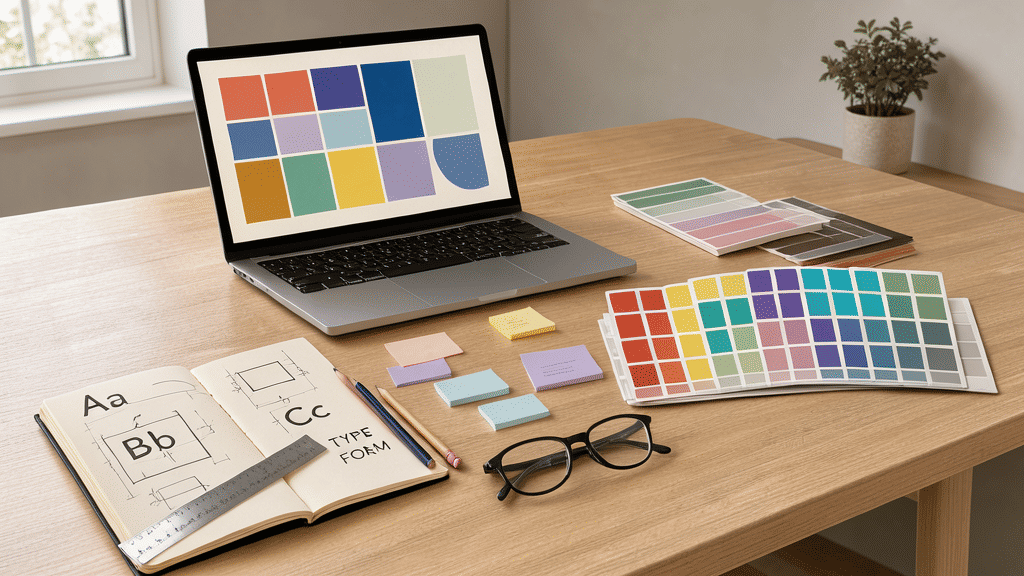
In the ever-evolving realm of digital design, achieving a seamless balance between aesthetics and functionality is a crucial endeavor. The visual appeal of a product can play a pivotal role in capturing attention, yet it is the usability that ensures sustained engagement. Understanding and utilizing key design principles such as color theory and typography can significantly enhance user experience while maintaining intuitive usability.
Color theory is a fundamental aspect that designers deeply contemplate. Colors evoke emotions and can convey messages even before words are processed. For example, blue often induces a sense of calm and trust, whereas red might signify urgency or passion. When applied thoughtfully, color schemes guide users intuitively through a digital interface. They can emphasize crucial buttons or highlight important sections without overwhelming the overall design. To achieve this, one effective approach is employing contrast strategically to make essential information stand out, thereby making navigation effortless and engaging.
Typography, on the other hand, is a powerful tool in relaying information and ensuring readability. The art of selecting the appropriate typeface, size, and spacing can significantly impact how users interact with content. Harmonizing serif and sans-serif fonts can create a visually appealing design that provides clear hierarchy and guides the reader’s eye across the page. Furthermore, maintaining consistency in typography across the interface upholds a sense of coherence and professionalism.
A successful blend of aesthetics and functionality does not mean sacrificing one for the other. Instead, these elements should coalesce to form a user-centered design where every visual detail serves a purpose. Designers must prioritize accessibility, ensuring that color schemes support visual impairments and typography caters to readability across diverse devices. By doing so, they can create a welcoming and inclusive environment that caters to a broader audience.
Responsive design is also crucial in the digital age, where devices of varying sizes abound. An aesthetically pleasing layout on a desktop must seamlessly adjust to fit a mobile screen without losing its visual charm or functional efficiency. This adaptability is vital to provide a consistent user experience, regardless of how and where someone accesses the content.
In essence, the harmony between aesthetics and functionality relies heavily on the understanding and application of fundamental design principles. By thoughtfully integrating color theory and typography, designers can craft compelling and efficient digital experiences. This balance not only elevates user engagement but also ensures the design stands the test of time in a fast-paced digital world.